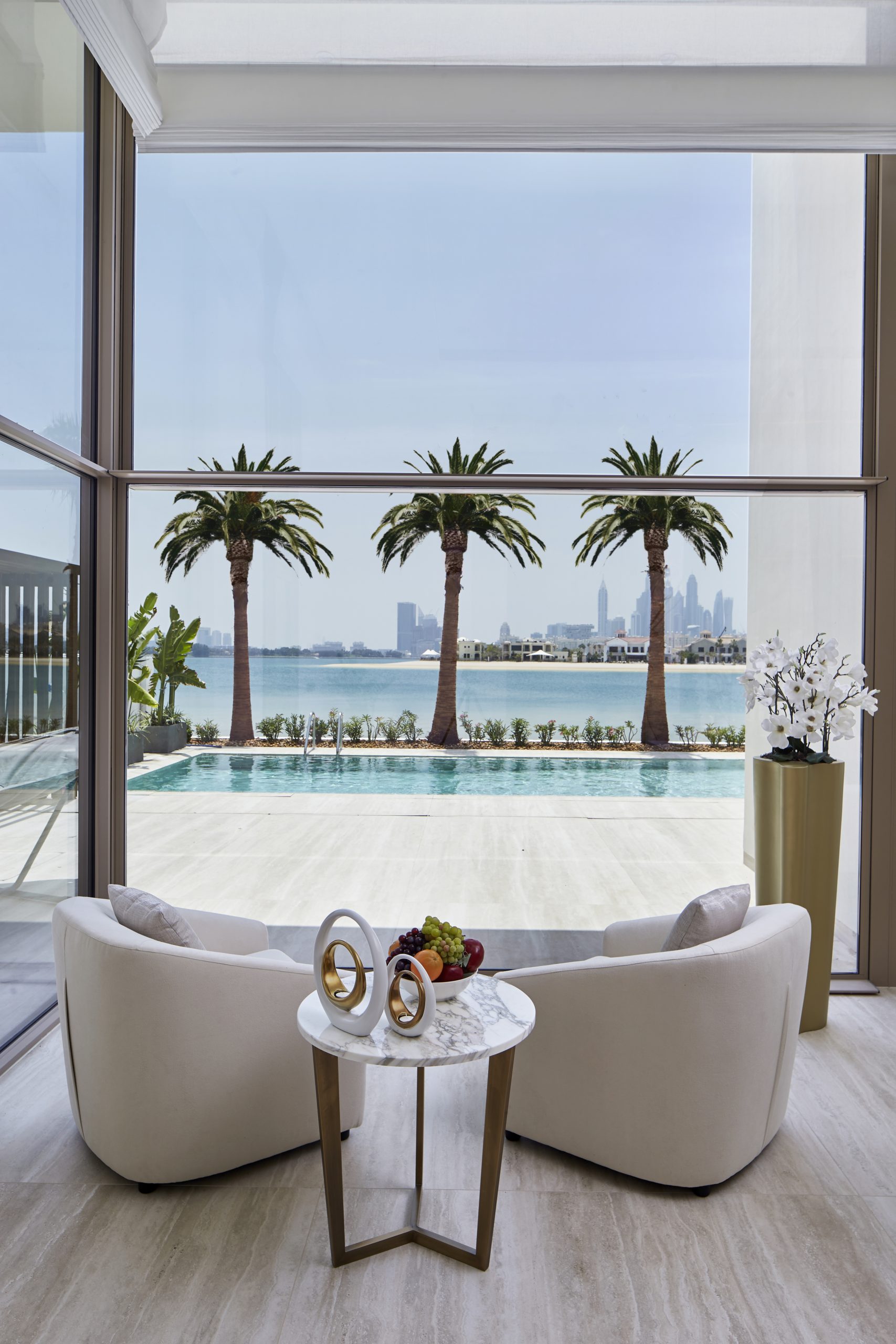
5 Interior Design Trends That Define Modern Homes
The look and feel of our homes continues to change, guided by new values and practical needs. Current trends focus on creating spaces that support well-being, express individual style, and function intelligently.
These five directions are shaping the present and future of modern interior design.
Curved Lines and Organic Forms:
A pronounced shift away from sharp geometry is evident. Furniture silhouettes now feature soft, rounded edges. Architectural elements like arched doorways and curved walls are popular. This trend introduces a sense of ease and fluidity into rooms, making them feel more inviting and comfortable. The focus is on shapes that feel natural and gentle.
A Focus on Natural Materials:
There is a strong preference for materials that show their origin. Reclaimed wood, raw stone, rattan, and linen are prominent choices. These substances bring distinct textures and a sense of authenticity to a space. Their inherent variations in color and grain mean each piece is unique, adding depth and character that manufactured surfaces often lack.
Dedicated Functional Spaces:
The home now accommodates specific activities in designated areas. Laundry rooms, pantry kitchens, and home offices receive deliberate planning. These zones feature robust storage solutions, durable surfaces, and task-oriented lighting. This move creates highly efficient areas that reduce clutter in primary living spaces, supporting organized daily routines.
Confident Use of Color:
Neutral backgrounds now serve as a stage for stronger color statements. Homeowners are selecting rich, saturated tones like deep blue, forest green, or terracotta. These colors appear on accent walls, kitchen islands, and substantial furniture pieces. This trend indicates a move toward personal expression, using color to define mood and create focal points within an open layout.
Seamless Technology Integration:
Technology recedes into the home’s framework. Voice-controlled systems manage lighting and climate from a central interface. Charging stations hide in drawers, and televisions disguise themselves as artwork. The objective is clear: technology should facilitate convenience and comfort without dominating the room’s visual space or interrupting its aesthetic harmony.
These trends collectively point toward a modern home that is intentional and personal. They show a preference for comfort over formality, authenticity over perfection, and quiet functionality over obvious displays. The result is living environments that feel both current and timeless, responsive to the way people actually live today. This approach defines the new standard for thoughtful and engaging interior design.